Oregon livestock pregnancy check proposal reprised after veto
Published 11:30 am Friday, February 6, 2026
SALEM — Oregon lawmakers are again considering whether to allow non-veterinarians to check for pregnancy in livestock after a similar bill was vetoed last year.
As with last year’s proposal, Senate Bill 1539 intends to alleviate problems for ranchers who lack ready access to veterinary care but the legislation faces opposition from veterinarians.
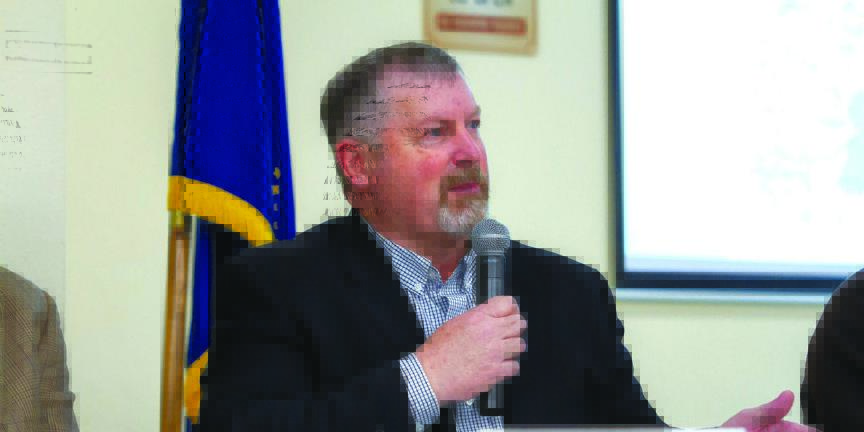
Sen. Todd Nash, R-Enterprise, argues the proposal is a common-sense solution to the veterinary shortage in rural Oregon, as non-veterinarians can already perform more sophisticated procedures, such as livestock embryo transfers.
“What we are trying to do here is wildly less complicated than that,” Nash said during a recent legislative hearing.
However, several veterinarians from around the state are urging the Senate Natural Resources Committee not to move forward with the legislation, claiming it’s “a recipe for harming the animal and its owner.”
Lawmakers should instead focus on reducing the veterinary shortage in rural areas, while SB 1539 would actually be counterproductive, since pregnancy checks are among the procedures that help veterinarians build their practices in remote regions, said Kate Lott, a vet in Tillamook, Ore.
“Untrained lay people should not be filling these gaps,” Lott said.
Under SB 1539, non-vets would have to receive training to conduct livestock pregnancy checks, with either the Oregon Department of Agriculture or the Oregon State Veterinary Medical Examining Board setting rules for the practice, depending on the version of the bill.
Fewer veterinarians
Proponents of SB 1539 argue the proposal is necessary because the number of large animal veterinarians continues to shrink even as the U.S. cattle heard is expected to rebound from its current low point in coming years.
“That is going to put extra pressure on this livestock production expertise,” said Ryan Krabill, government affairs manager for the Oregon Farm Bureau.
Supporters say the proposal will help young people get a foot in the door to the livestock business, potentially allowing them to eventually become veterinarians.
Pregnancy checks are a critical procedure for ranchers but allowing non-vets to perform these procedures won’t deprive veterinarians of work, said Diana Wirth, president of the Oregon Cattlemen’s Association.
Veterinarians are still needed to prescribe medications for livestock herds, among other tasks, so ranchers who have access to these professionals are unlikely to forgo using their services entirely, she said.
“This bill does not replace veterinarians,” Wirth said.
While some veterinarians acknowledged the care shortages endured by rural livestock producers, they argued that reproductive services are among the main reasons that vets visit ranches.
If such occasions became less frequent, veterinarians would have fewer chances to detect and report livestock diseases that could spread, said Glenn Kolb, executive director of the Oregon Veterinary Medical Association.
“It would really limit the interaction between the veterinarian and their clients,” Kolb said.
Such concerns were cited by Gov. Tina Kotek when she vetoed a similar proposal last year, Senate Bill 976, which had passed with strong bipartisan majorities in the House and Senate.
Kotek said “the need to maintain a connection between animal owners and licensed veterinarians is critical” in preventing the spread of such pathogens as avian influenza and the new world screw worm.
But Nash was skeptical of that rationale, saying that he suspected the bill was vetoed due to his lack of support for environmental restrictions on water transfers, which had been a priority of Kotek’s in 2025.
Regarding the potential for this year’s legislation facing another veto from Kotek, Nash said it’s too early to speculate about such an outcome, so he’s focused on debating the bill’s merits.
“I can’t worry about that,” he said. “If she’s still mad at me, she has that prerogative.”
A representative of Kotek’s office said the governor will consider each bill that comes to her for a signature.