USDA taking acreage reports for bridge payments round 2
Published 7:00 am Saturday, February 14, 2026
Growers of dozens of crops will have until March 13 to report their 2025 acreage to the Farm Service Agency to be eligible for one-time payments to help them cope with a struggling farm economy, the USDA announced Feb. 13.
The USDA will distribute $1 billion to farmers who weren’t eligible to apply for a share of the $11 billion the department awarded in December to producers of 18 crops.
The 18 crops included major commodities such as wheat, corn and soybeans, but also smaller crops such as sesame, safflower and sunflower. Growers of major Northwest crops such as apples, blueberries and potatoes will be eligible for the second-round payments.
The payments were originally conceived to compensate farmers hurt by trade disruptions. The USDA reframed the payments as providing a “bridge” to better times.
“Our specialty crop producers continue to feel the negative effects of four years under the Biden administration, suffering from record inflation, a depleted farm safety net and delayed disaster assistance,” Agriculture Secretary Brooke Rollins said in a statement.
The USDA will calculate per-acre payments based on the acreage reports, input costs, and global supply and demand reports.
The per-acre payments for the 18 crops ranged from $132.89 for rice to $8.05 for flax. Crambe, an oilseed, was on the list, but no one reported growing it, according to the USDA.
For the second-round, acreage reports to FSA are due by 2 p.m. Pacific time March 13. Per-acre payments for each crop will be calculated by the end of March, according to USDA.
For more information, producers should contact their local FSA office. Also, more information is available at www.fsa.usda.gov/fba.
Crops eligible for the second-round include almonds, apples, apricots, aronia berries, artichokes, asparagus, avocados, bananas, beans (snap or green, lima, dry edible);
And beets, blackberries, blueberries, breadfruit, broccoli, brussels sprouts, cabbage, cacao, carrots, cashews, cauliflower, celeriac, celery, cherimoya, cherries, chestnuts, chive, citrus;
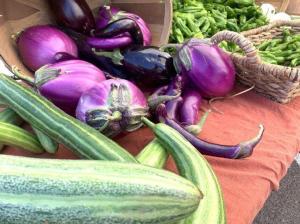
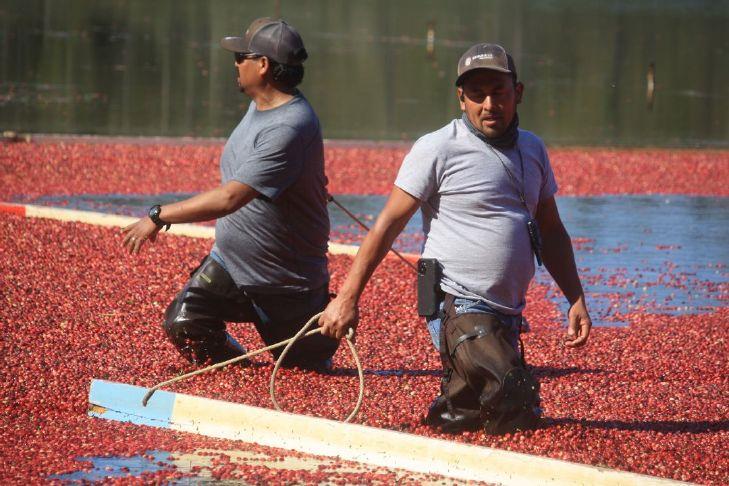
And cashews, coconuts, coffee, collards (including kale), cranberries, cucumbers, currant, dates, dry edible beans and peas, edamame, eggplant, endive, feijou, figs, filberts, hazelnuts;
And garlic, gooseberries, grapes (including raisins), guava, horseradish, kiwi, kohlrabi, leek, lettuce, litchi, macadamia, mango, melons, mushrooms, mustard and other greens, nectarines;
And okra, olives, onions, opuntia, papaya, parsley, parsnip, passion fruit, peas, peaches, pears, pecans, pepper, persimmon, pineapples, pistachios, plums, pomegranate, potatoes;
And pumpkins, quince, radishes, raspberries, rhubarb, rutabaga, salsify, spinach, squash, strawberries, surinam cherry, sweet corn, sweet potatoes, swiss chard, taro, tomatoes; turnips, walnuts and watermelons.