Idaho Bean Commission helps guide sizable industry
Published 9:00 pm Friday, February 27, 2026
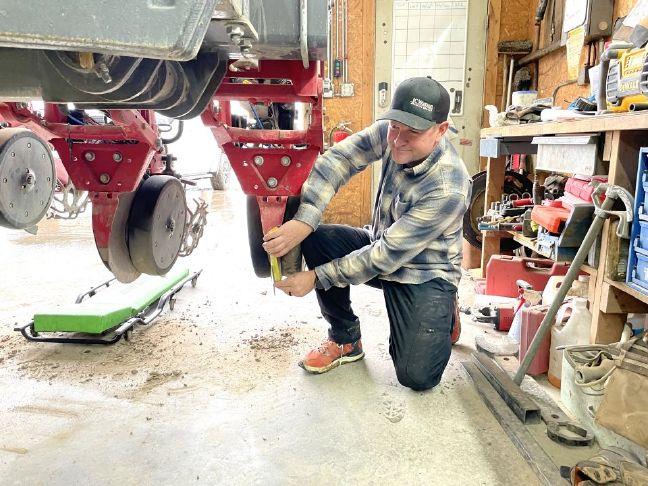
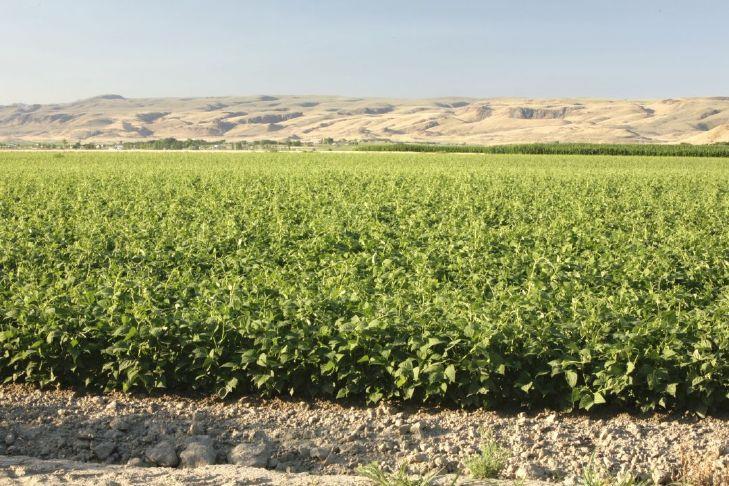
PARMA, Idaho — Bean season can’t come soon enough for farmer Michael Goodson, who in late February alternately checked a tractor’s specialized planter attachment and looked out his shop’s open overhead door at heavy rain.
“About 25% of our operation is bean seed,” the southwest Idaho farmer and Idaho Bean Commission board member said.
Bean seed “adds to diversification in the crop rotation,” Goodson said. And bean production comes with lower input costs — the crop is a mid-level water user, for example — compared to some of the more intensive specialty crops.
“They take proper water management,” he said. “I don’t know if they’re necessarily more durable.”
A national leader
“Idaho’s claim to fame in the industry is as a seed production state,” said Monty Hamilton, a Kimberly-based commission board member who works for a green bean seed dealer. “We can produce clean seed where most states cannot” due to strict state rules and a dry climate in the southwest and south-central regions where the industry is centered.
The commission is a key driver of the industry’s ongoing success in the state, Goodson and Hamilton said. All industry participants pay an assessment — increased last July 1 for the first time since 1992 — that funds research, marketing and promotion, and education.
“All the work we do benefits farmers,” Hamilton said.
And dealers “use the commission to help unify,” he said. Every company in the state was represented at annual bean schools held in the southwest and south-central regions in January, and “those bean schools are important to bring growers and the industry together.”
Grower and acre totals vary because beans are a rotation crop and subject to the strict rules, but IBC estimates the state has about 500 growers who last year grew about 45,000 acres combined, commission executive director Andi Woolf-Weibye said. The number of dealers, not immediately available, also can vary on factors such as openings and consolidations.
“Our irrigated acres, hot, dry summers and volcanic soils are very good for production,” she said. Idaho traditionally ranks first in the U.S. in production of certified disease-free bean seed and fifth in bean acres.
Level playing field
IBC’s board is comprised equally between growers and dealers, which results in “a more complete industry buy-in and industry involvement,” Woolf-Weibye said. It’s a way to make sure “everyone is following the guidelines and there is an equal playing field.”
The assessment is paid entirely by the state’s bean industry, and the commission does not receive state general fund dollars.
The commission’s organizational setup “allows us to do things like apply for grants,” Woolf-Weibye said. “In the last eight years, we have received over $400,000 in grants” mainly for research.
The longtime assessment was 12 cents per hundredweight, paid 8 cents by growers and 4 cents by dealers. The 2025 legislature approved16-24 cents shared equally by growers and dealers; as of last July 1, it is 16 cents. Driving factors included inflation, increased research — such as in entomology — better-yielding varieties that reduced the need to increase acreage, and participation over the previous decade in several international trade missions organized by the governor’s office.
“Dealers proposed making the assessment equal,” Woolf-Weibye said. “Nobody loves paying more, but I’ve really not heard any huge grumblings.”
On-ground benefits
Commission work ranges from variety, chemical and cultural practice research to “developing new markets and continuing to educate current markets on why clean seed is important to the bean industry,” Goodson said. On the seed side, a goal is to “make sure Idaho remains the top-tier class.”
Some 90% of Idaho bean acres are for seed, the rest for edibles, Hamilton said.
One aspect of state rules is to limit sprinkler irrigation of a field to two years before changing to gravity or drip, a way to keep foliage dry over seed generations, he said.
Goodson, who contracts with companies in the region that sell to commercial growers around the world, said one of the commission’s value propositions is “an unbiased perspective for growers on new products that are out in the marketplace, so growers can see the data.” He is considering using a newly labeled product for beans to help with weed control.