Oregon wine industry’s economic impact keeps growing, but at slower pace
Published 10:43 am Monday, March 2, 2026
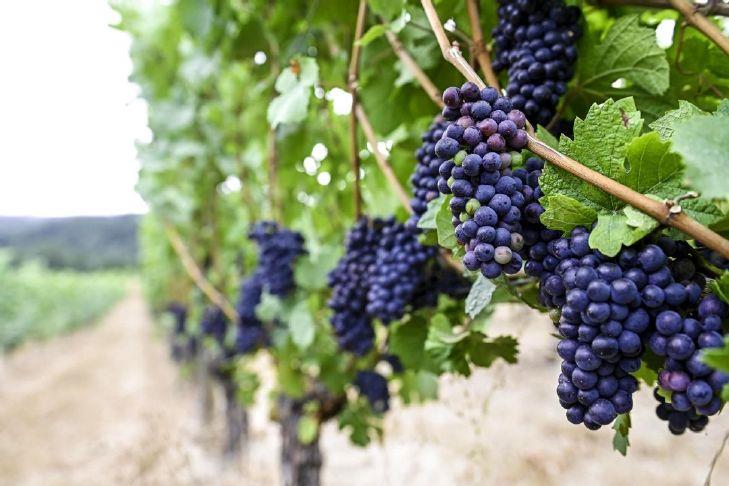
New report highlights huge link between the state’s wine and tourism
The Oregon wine industry’s economic impact keeps growing, though at a slower pace due to headwinds, according to a new Oregon Wine Board analysis.
The 2024 Oregon Wine Economic Impact Report, released Feb. 26, also detailed the industry’s substantial contribution to tourism.
The report showed Oregon wine and grape industries generated an estimated $8.49 billion economic impact in 2024, a 3.8% increase from the previous report in 2022.
However, from 2019 to 2022 the industry’s economic impact increased nearly 13%.
“From the jobs it provides Oregonians across vineyards, wineries and related businesses, to the tourism dollars flowing into communities statewide, the industry touches every corner of Oregon,” said Gina Bianco, Oregon Wine Board executive director.
“Even as the challenges faced by the global wine market continue to impact our growers and producers, the contributions of Oregon wine to the state are tangible, growing and distinctly positive,” Bianco added, in a news release.
Industry challenges include a decline in demand and uncertainty about tariffs and immigration enforcement, which have increased costs for business and households.
The pandemic and wildfires also have cast a lingering shadow on the industry, and travel has shifted to lower frequency and spending levels.
Despite those issues, wine grapes were Oregon’s most valuable fruit in 2024 with a value of $329 million.
Wine-supported wages and salaries increased 2.8% to $1.75 billion in 2024, but the number of jobs supported by the industry dropped 3.4% to roughly 38,100.
Oregon as wine destination
The report highlighted the important link between wine and tourism in Oregon.
“The tourism industry has become a larger external component of wine industry success, serving as a channel for tasting room and wine club sales, winery events and additional marketing based on visitors’ experiences at the winery,” said Robert Eyler of Economic Forensics and Analytics, who conducted the report.
“Getting younger, mobile customers to see wine as part of their lives and Oregon as a place to visit must remain a focus of winery and destination marketing strategies,” he wrote, in the report.
In 2024, wine-supported tourism accounted for nearly $861 million in statewide revenues through lodging, dining and other activities (not including tasting room sales), a 13.5% jump from 2022.
Wine-related tourism supported more than 9,100 jobs and $329 million in wages in Oregon.
Data from Travel Oregon showed 18.8% of out-of-state travelers visited wineries in 2024, up from 14.3% in 2022.
However, average Oregon tasting room visitation decreased 5%.
More Oregon wine data
Planted acreage increased to roughly 47,350 acres in 2024, up 6.4%.
Only about 37,200 acres were harvested, nearly 1,600 less than in 2022, as some growers left grapes on the vine.
Approximately 129,740 tons of grapes were produced, down 5.3%.
The median price for Oregon wine grapes was $2,465 per ton, up nearly 4.8%.
Pinot noir, Chardonnay and Pinot gris were the most harvested grapes, with red varieties selling for higher prices.